








Radio Pacis and the Arua Diocese Media Centre


high resolution

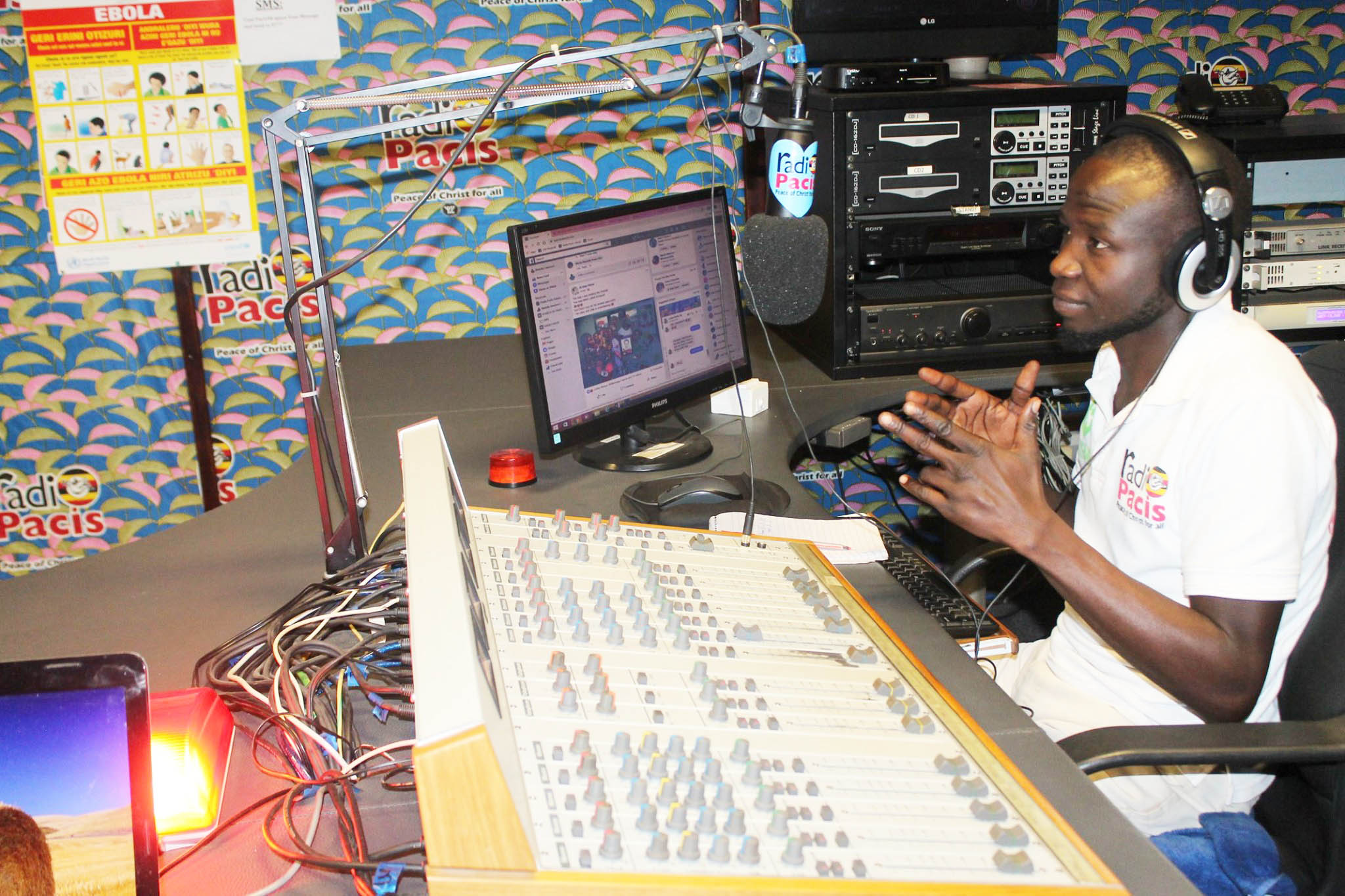
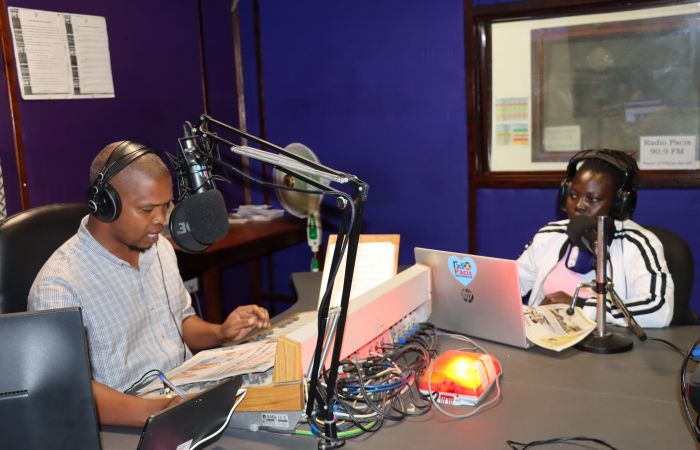
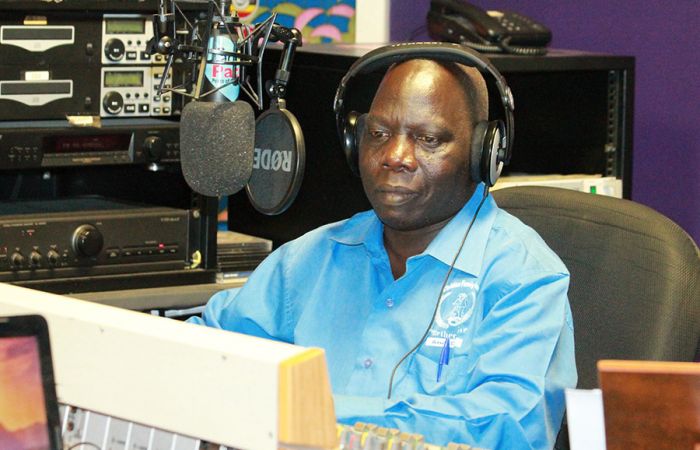
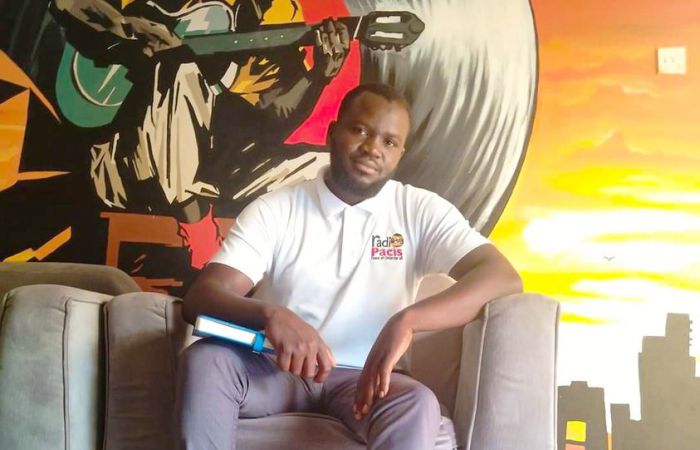
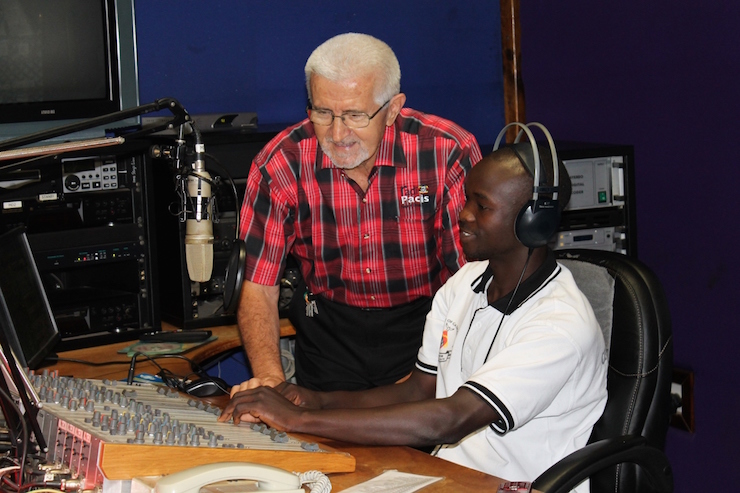
Arua Diocese Media Centre is located in Ediofe, near Arua, Uganda, East Africa; Arua is in the West Nile region 500 km from the capital city, Kampala. The centre includes the offices of Radio Pacis 90.9FM, 94.5FM and 101.4FM, the studios of Radio Pacis 90.9FM and 94.5FM, the Arua Diocese Printing Services, and the Arua Diocese Communications Department.

Radio Pacis Mission

Highlights

June 2005

An independent "Listener Survey" published and organized by FIT-SEMA and sponsored by ILO (International Labour Organization - a UN organization) listed Radio Pacis as the radio with the highest number of listeners in West Nile.

June 2005

Radio Pacis awarded first prize at the SIGNIS-Africa exposé of the media activities held in Kampala just before the AMECEA Bishops' plenary (AMECEA region comprises 8 countries).

September 27, 2005

The national newspaper, THE NEW VISION, published the results of a survey about radio listenership carried out by Target Group Index in Uganda. Radio Pacis, out of 115 radio stations, was listed at the 6th place at national level.

November, December 2005

Radio Pacis hosted 2-hour talk shows with the leading candidates in the presidential elections: Dr. Kizza Besigye and President Yoweri Museveni.

December 2005

Radio Pacis increased its broadcasting hours from 19 hours a day to 24 hours a day, seven days a week.

In December 2006

Radio Pacis entered a competition sponsored by the BBC for English-speaking radio stations in Africa. We entered in the category of "new radio station". In February 2007, the judges selected Radio Pacis as the best new radio station in the East Africa region. As such, the station was a finalist for best new radio station in all of Africa. In May 2007, the director, station manager, programme manager, assistant programme manager, and assistant news editor traveled to Nairobi for the BBC awards ceremony where Radio Pacis was named the best new radio station in all of Africa. It was a huge achievement for the station and the community it serves.

STRATEGIC OBJECTIVES of RADIO PACIS

Become self sustaining

Radio Pacis itself is not yet self-sustaining. High costs come with the high quality of the programs. At the same time, as community-based radio, Radio Pacis offers limited air time for commercial advertising. Each year the total amount of locally generated income increases significantly.

Attract and maintain qualified staff members

As Arua is one of the poorest areas of Uganda, it is difficult to attract qualified staff such as radio presenters and technicians. Therefore one of our goals is to attract and maintain the qualified staff through several initiatives such as staff quarters for key employees, competitive salaries, and attractive working conditions.

Reach more listeners in more areas

West Nile has several different cultures and languages. Radio Pacis 90.9 caters for Lögbara and Kakwa speaking people. Radio Pacis 94.5 caters for Alur and Ma'di speakers. With a transmitter and studio in the Gulu area, we transmit Radio Pacis 94.5 programming and locally generated programming as well as Radio Pacis 101.4, thus reaching Luo language speakers of the Archdiocese of Gulu. With the construction of a new mast in Arua and other technical improvements, we want to reach some of the places in our listening area where the signal is weak.

Make services more accessible in areas distant from Arua

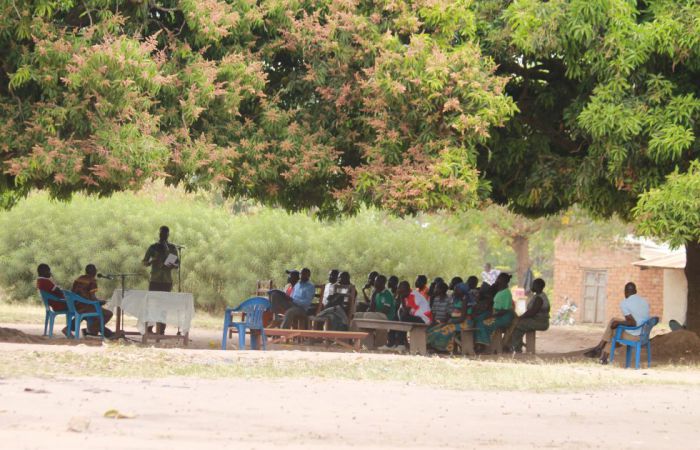
The mini recording studio located within Moyo Multi-Purpose Centre allows people to conduct talk shows, interviews, and announcements from Moyo Vicariate, eliminating the multi-hour journey to Arua. The Moyo Bureau also has recording equipment for use in other locations of the area, for recording drama, music, rural debates and other events. The studios in Gulu have similar capacity. More and more, recordings from the field are part of nearly every program and news bulletin. In addition, the rural debate program has become especially popular as people from all corners of the listening audience have an opportunity at one time or another to make their voice heard. SMS services and TRAC FM also increase audience participation in the radio broadcasts. Social media such as FACEBOOK and TWITTER are in the experimental stages. One frequency 90.9 is streamed live on the website.

Become a competence centre for radio training

For the future, Radio Pacis wants to put this training on a broader level by generating partnerships with universities and inviting other radio stations to partner with them for the development of all radio broadcasters in the area.

Radio Pacis Marketing

To fulfil our primary strategic goal to be self-sustainable, Radio Pacis has established a professional Marketing Office. We welcome the opportunity to work in partnership to deliver messages through

Point of Contacts/ Marketing Offices are located at the head office in Arua Diocese Media Centre, in Kampala, and in Arua Town Office.

Radio Pacis Programming

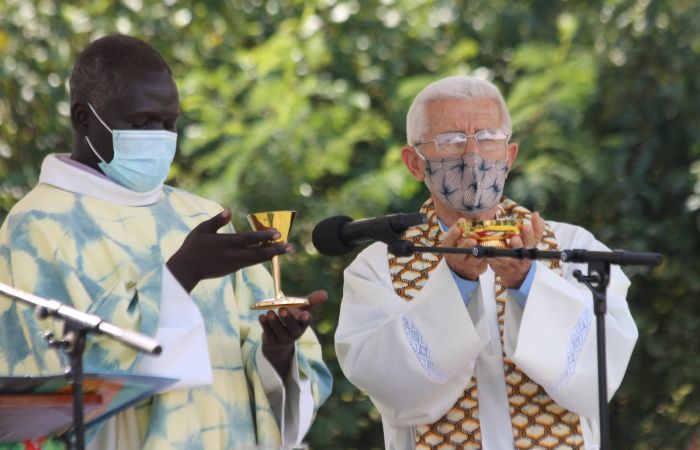
As a community-based radio, Radio Pacis programming on all three frequencies is designed for the integral development of the listeners. The programs seek to entertain as well as educate and to provide information in creative ways that are attractive to the listeners.

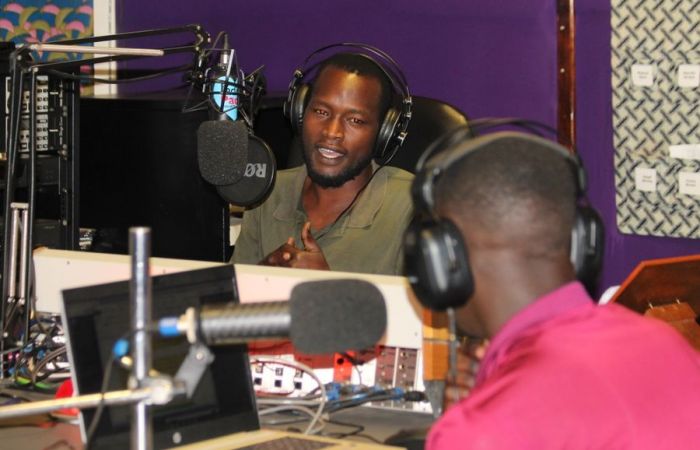
Radio Pacis broadcasts 24 hours a day, 7 days a week on all three frequencies. The majority of the programming is produced in the Radio Pacis studios. Radio Pacis 94.5 and Radio Pacis 101.4 share the English programming and the Alur programming; several hours of programming is generated from the Gulu studio. Four programs, of 30 minutes each, are broadcast from other sources: Daybreak Africa from Voice of America (VOA), English for Africa from Radio Vatican, Focus on Africa and Network Africa from BBC and American Catholic Radio from Franciscan Radio. The locally produced programs include news bulletins, features and magazines. Daily, news is presented in English, Lögbara, Ma'di, Alur, Kakwa and Luo languages. A daily news journal and a press review are also part of the regular programming. In addition to news, several magazines present topics of religion, education, health and interpersonal relationships. The "We Go Forward" program is presented live each day in five different languages; it tackles a broad range of developmental issues. Other programming targets women, children and youth. Catholic pastoral programming attracts listeners from other denominations and faiths.

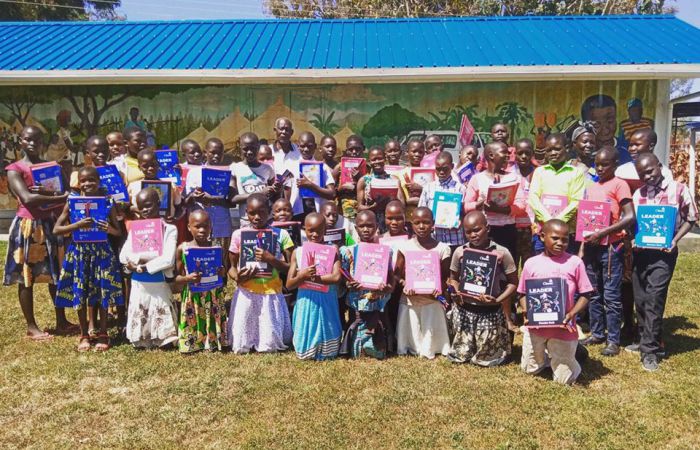
Two particular programmes target the children: Bible for the Kids and Amazing Life. Women are targeted every morning on Monday through Friday in a programme called Life as We Know It.

Perhaps the most entertaining feature is the locally produced drama series. The programming is rounded out by the usual greetings and announcements and music. Special programming is made for events such as public and church holidays.